
Table of Contents
- The Earbud Market Has a Marketing Problem
- Sony WF-1000XM6: The ANC King Gets Its Biggest Upgrade in Three Years
- Sony LinkBuds Clips: 37 Hours of Battery in an Open-Ear Design
- Apple AirPods Pro 3: Hearing Aid Functionality That Actually Works
- Samsung Galaxy Buds 4 Pro: The Android Answer to AirPods Pro
- Bose QuietComfort Ultra Earbuds: Still the Most Comfortable ANC Earbuds
- Best Earbuds Under $100: What Actually Holds Up
- If You Want Over-Ear Headphones Instead
- Sonos Play: The Portable Speaker That Finally Bridges Home and Away
- Full Comparison: Every Major Earbud Side by Side
- What to Actually Buy Based on What You Do
The Earbud Market Has a Marketing Problem
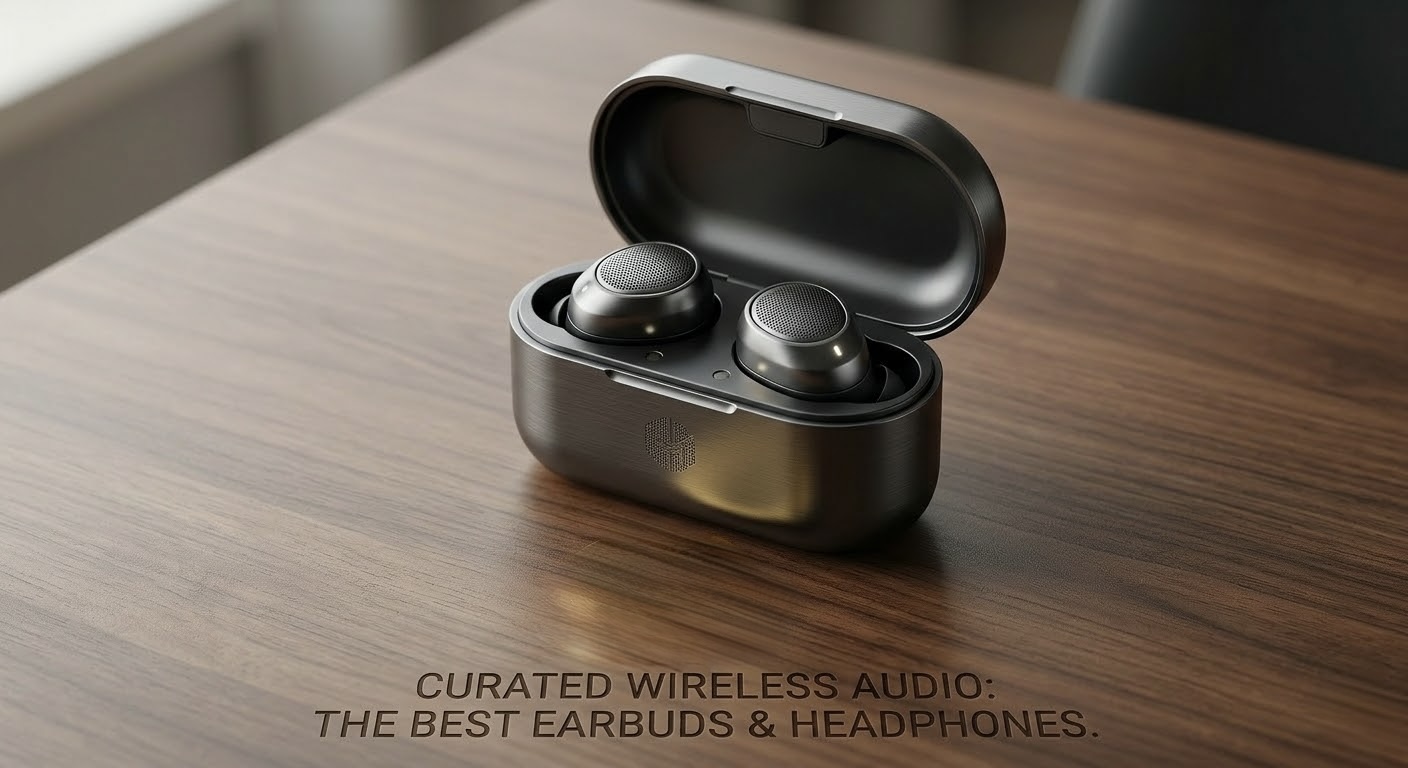
Every pair of wireless earbuds released in 2026 claims the same things. Industry-leading ANC. Crystal-clear calls. All-day battery. Premium sound. AI-powered transparency mode. The marketing language has become so uniform across every brand at every price point that it has stopped being useful for making decisions. When everything is described the same way, the descriptions stop telling you anything.
The differences that actually matter between earbuds are not the ones that appear in specification tables. Fit is the most important factor and the one that is impossible to evaluate from a spec sheet. An earbud with technically superior noise cancellation that does not seal properly in your specific ear shape will lose to a technically inferior earbud that fits correctly. Latency matters if you watch a lot of video or play games. ANC quality varies enormously between modes and in specific environments. Battery estimates are measured under conditions that rarely reflect how you will actually use the earbuds.
This guide is organized around use cases and honest trade-offs rather than spec comparisons. For earbuds specifically, the right recommendation is highly personal in a way that it is not for laptops or phones. The goal here is to give you enough information to know which category of product fits your situation, not to tell you that one pair is objectively the best for everyone.
Sony WF-1000XM6: The ANC King Gets Its Biggest Upgrade in Three Years
Sony has held the top position in noise-cancelling earbuds for several generations. The WF-1000XM6 continues that, but this cycle is more significant than the incremental updates that characterized the XM5 to XM5 refresh. The V3 processor is Sony’s most capable audio chip to date, and the difference in ANC performance over the XM5 is large enough to be audible rather than just measurable.
The noise cancellation uses a dual-microphone system combined with a new Precise Voice Pickup technology that processes 8,000 times per second. What that means in practice is that voices, including your own when you are on a call, are isolated from ambient noise more cleanly than previous generations. In environments where previous Sony earbuds handled background noise well but struggled with specific frequencies, the XM6 is noticeably more consistent. The wind noise reduction, which has historically been a weakness of in-ear designs during outdoor use, is improved to the point where it is no longer the obvious weak point it used to be.
Battery life is 12 hours on a single charge with ANC on, with the case providing an additional 24 hours for a total of 36 hours. A quick 5-minute charge provides 90 minutes of playback, which is the fast-charge spec that matters most for the “forgot to charge it last night” scenario. The earbuds have IPX4 water resistance, which handles sweat and light rain but not submersion.
The fit improved significantly from the XM5. Sony redesigned the ear tip shape and added a wing tip option that provides more stability during movement. For most people the fit is now reliably secure in a way that XM5 users who struggled occasionally will notice immediately. The companion app remains one of the best in the category: 360 Reality Audio support, granular EQ controls, speak-to-chat functionality that pauses audio when you start speaking, and adaptive sound control that automatically adjusts ANC and transparency based on your detected activity.
Who should buy it: Frequent flyers, commuters on public transport, open-plan office workers, anyone for whom ANC quality is the primary purchase criterion. Also the strongest choice if call quality matters, where the voice pickup improvement is the most noticeable practical upgrade over the previous generation.
Who should consider alternatives: People who prioritize fit stability during intense workouts over pure ANC performance, where an ear wing or hook design provides more security. Also anyone who tried XM5 earbuds and found the fit uncomfortable, since the XM6 redesign helps but the fundamental shape is similar.
Sony LinkBuds Clips: 37 Hours of Battery in an Open-Ear Design
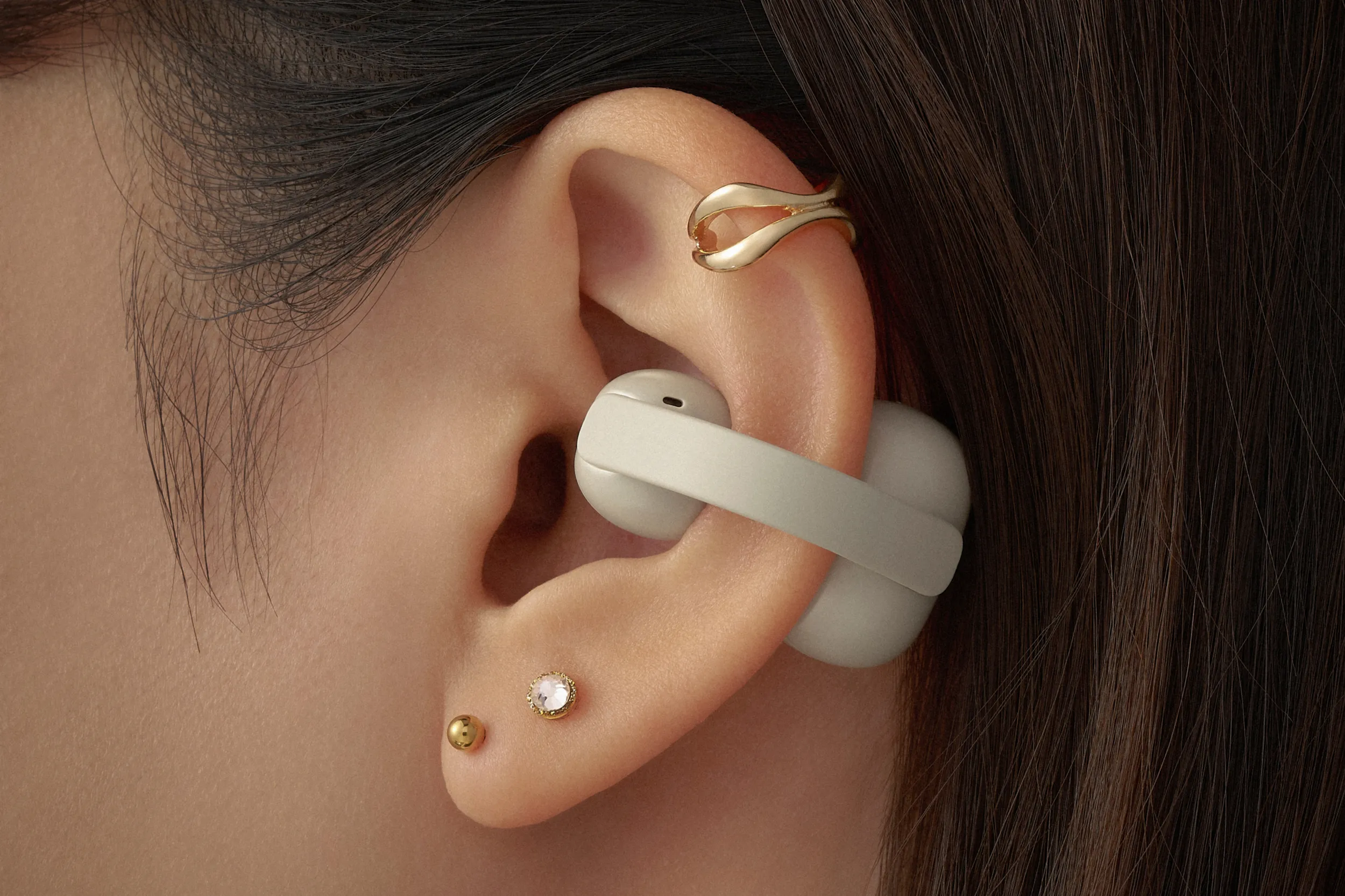
The LinkBuds Clips represent Sony entering a specific earbud category that Bose popularized and that is growing in relevance for active users: open-ear earbuds that clip to the outside of the ear rather than inserting into the ear canal. The design means you hear your environment naturally, without any seal, while still getting audio from the earbuds. For running, cycling, and any activity where environmental awareness is a safety requirement, this is a meaningfully different product from a sealed ANC earbud.
The battery numbers are legitimately impressive for this category. 37 hours total with the case is more than most sealed earbuds offer, and the open-ear design is more efficient with battery than ANC processing. The IPX4 water resistance rating handles sweat and rain. Four color options include black, greige, green, and lavender, which reflects the design priority for earbuds in this category: they are visible on the ear and the aesthetic choice matters more than it does for earbuds that disappear inside the ear canal.
The audio quality trade-off is real and worth being honest about. Open-ear earbuds cannot deliver bass response comparable to sealed in-ear designs. The sound lacks the low-frequency body that you get from a sealed fit. For music genres that depend heavily on bass, the open-ear design is a compromise. For spoken audio like podcasts, audiobooks, and phone calls, the compromise is minimal and the benefit of hearing your environment simultaneously is substantial. People who want to listen to podcasts during a run without being isolated from traffic, or who want to take calls at a desk without putting anything in their ears, are the natural audience for this design.
Who should buy it: Runners, cyclists, and outdoor workout users who need environmental awareness. People who spend long hours at a desk and want audio without the discomfort of in-ear insertion. Anyone who found traditional earbuds uncomfortable for extended wear.
Who should look elsewhere: Anyone who primarily wants music and cares about bass. Commuters or office workers where background noise is the primary thing to block rather than maintain awareness of.
Apple AirPods Pro 3: Hearing Aid Functionality That Actually Works
The AirPods Pro 3 arrived alongside Apple’s March 2026 hardware refresh. The headline feature that Apple has been building toward for two generations is now fully realized: FDA-cleared over-the-counter hearing aid functionality built directly into the earbuds. For anyone with mild to moderate hearing loss, or anyone who wants to understand the technology before they need it, this is worth understanding specifically.
The hearing aid feature works through a built-in hearing test that takes about five minutes and uses the earbuds to generate tones at specific frequencies and volumes. Based on your responses, the system creates a custom hearing profile that amplifies specific frequency ranges where your hearing is reduced. This works in both the hearing aid mode and in the transparency mode, meaning you can use the earbuds as hearing aids while still being able to hear your environment naturally. Apple received the FDA clearance for over-the-counter hearing aids in late 2024 and has iterated on the implementation since then. The Pro 3 version is the most refined implementation to date.
Beyond the hearing aid functionality, the AirPods Pro 3 maintain the advantages that made the Pro 2 the default recommendation for iPhone users: seamless switching between Apple devices, spatial audio that creates a convincing three-dimensional soundstage for supported content, the H2 chip that handles ANC processing with low latency, and the deep integration with iOS that no Android alternative can fully replicate. Conversation Awareness, which reduces music volume and enhances the sound of nearby voices when the earbuds detect you are talking to someone, works reliably in a way that similar features on competing earbuds do not always match.
The limitation that determines whether these are right for you is the ecosystem dependency. AirPods Pro 3 work with Android devices over standard Bluetooth, but the automatic device switching, spatial audio, and Siri integration do not function outside the Apple ecosystem. If you primarily use an Android phone, you are paying the AirPods Pro price for a significantly reduced feature set. The XM6 or Galaxy Buds 4 Pro are better value choices if your primary device is not an iPhone.
Who should buy it: iPhone users who want the deepest Apple ecosystem integration, anyone with mild to moderate hearing loss who wants hearing aid functionality without a separate device, and anyone who uses Apple spatial audio content regularly.
Who should skip it: Android users, anyone who switches between iOS and Android, anyone for whom the hearing aid functionality is irrelevant and ecosystem integration is not a priority.
Samsung Galaxy Buds 4 Pro: The Android Answer to AirPods Pro
Samsung launched the Galaxy Buds 4 alongside the S26 series. The Buds 4 Pro is the relevant tier for a comparison with AirPods Pro 3 and XM6. Samsung’s approach to earbuds has converged with Apple’s in terms of the ecosystem integration play: the Buds 4 Pro integrate deeply with Galaxy devices in ways that work better if you are in the Samsung ecosystem specifically.
The ANC performance on the Buds 4 Pro is competitive with the XM6 in most environments, with some independent testing putting the two roughly equal and others giving a slight edge to Sony in low-frequency noise reduction. The practical difference in daily use is smaller than the spec sheet comparisons suggest. For most commuting and office environments, both provide ANC quality that effectively eliminates background noise for music listening and phone calls.
The fit system is where the Buds 4 Pro differentiates in a useful way. Samsung includes three sizes of ear tips plus a fit test in the Galaxy Wearable app that uses the earbuds’ microphones to detect whether there is a proper seal. Running the fit test before finalizing your ear tip choice takes two minutes and catches seal problems that would reduce ANC effectiveness and bass response. It is the kind of user-guiding feature that reduces the gap between a perfectly fitted earbud and one that is close but not quite right.
The Interpreter mode is a notable feature for students and travelers: real-time translation of conversations in multiple languages, processed on-device for languages where the model is downloaded locally. The accuracy is not perfect but it is genuinely useful for understanding the gist of conversations in a foreign language without pulling out your phone.
Who should buy it: Samsung Galaxy phone users who want the deepest integration, Android users who want AirPods Pro-level ecosystem features on their platform, anyone who wants real-time translation as a regular feature.
Who should consider alternatives: Non-Samsung Android users will not get the full Galaxy ecosystem features. Also anyone who specifically prioritizes call quality above other features, where the XM6 has a measurable advantage from its Precise Voice Pickup system.
Bose QuietComfort Ultra Earbuds: Still the Most Comfortable ANC Earbuds
Bose has made comfort its primary differentiator in earbuds and the QuietComfort Ultra Earbuds continue that focus. For users who wear earbuds for six or more hours continuously, the fit comfort difference between Bose and competitors is real enough to be the deciding factor. The SharpSpot technology that Bose uses to direct sound toward the ear canal reduces the amount of insertion required for a good seal, which is the primary reason extended wear is more comfortable than with deeply inserted alternatives.
The Immersive Audio feature, Bose’s branded version of spatial audio with head tracking, creates a convincing spatial soundstage for supported content. The head tracking is among the most responsive implementations available, with noticeably lower latency between head movement and audio repositioning than competitor implementations. For watching movies and spatial audio content specifically, the Bose implementation stands out.
The ANC quality is strong but has been surpassed in direct comparisons by the XM6 in low-frequency noise reduction specifically. In mid-range background noise, the two are comparable. The honest ranking is: Bose is first in fit comfort and spatial audio quality, Sony is first in pure ANC performance, and the gap between them in the categories where each is not leading is smaller than the category gap makes it sound.
Battery life at 6 hours per charge with ANC on is shorter than the XM6 at 12 hours, which is the specification trade-off that matters most for long-haul travel. The case adds 30 hours for a total of 36, but the per-charge number determines whether you need to recharge during an international flight.
Who should buy it: People who wear earbuds for very long stretches without breaks, anyone who has found other earbuds uncomfortable for extended use, spatial audio enthusiasts who prioritize head-tracked immersive audio over pure ANC performance.
Who should look at Sony instead: Anyone prioritizing the longest per-charge battery life, pure ANC performance in low-frequency noise environments, or call quality above all other factors.
Best Earbuds Under $100: What Actually Holds Up
The under-$100 earbud category has improved significantly in 2025 and 2026 to the point where the gap between budget and premium is primarily in ANC quality and call microphone performance rather than in basic audio quality. For listening to music in reasonably quiet environments, several options under $100 produce results that would have been considered mid-range quality two years ago.
The Nothing Ear (3) and Nothing Ear (a) have both received strong reviews for their transparent design aesthetic and audio quality that overperforms at the price. Nothing’s approach to design, with the visible internals behind a transparent shell, is genuinely distinctive in a category where most budget earbuds look similar. The ANC is functional without being class-leading. For a student or someone buying their first pair of wireless earbuds who does not want to spend premium money, they offer a compelling combination of sound, ANC, and aesthetics at around $80 to $100.
Google Pixel Buds A-Series remains a strong recommendation specifically for Pixel phone users and Android users who want Google Assistant integration without paying Pixel Buds Pro prices. The ANC is minimal but the audio quality is honest and the Google ecosystem integration, including real-time translation through Google Translate, works reliably. At around $99, they are the lowest-friction option for the Android ecosystem that does not sacrifice fundamental audio quality.
The honest advice for the under-$100 category is to prioritize fit above everything else. Budget earbuds at this tier tend to be more variable in fit quality than premium options, and an earbud that does not stay in your ear or does not seal properly will never sound as good as its specifications suggest regardless of how competitive the spec sheet looks.
If You Want Over-Ear Headphones Instead
Over-ear headphones remain the right choice for a specific use case: extended listening sessions where you want maximum audio quality, the best possible ANC, and comfort that does not depend on getting a seal inside the ear canal. They are less practical for commuting, exercise, or anything where portability matters, and they are not appropriate for phone calls in most situations due to microphone positioning. For dedicated home listening, studio monitoring, and long-haul travel where you will have them on for hours, they are still significantly better than earbuds for most of the metrics that audiophiles care about.
The Sony WH-1000XM6 over-ear headphones sit at the top of the ANC category in the same way the WF-1000XM6 does for earbuds. The same V3 processor that powers the earbud’s ANC is present here, and the larger ear cups and drivers produce bass response and soundstage that earbuds cannot match regardless of how good their processing is. Battery life is 30 hours with ANC on.
The Bose QuietComfort Ultra Headphones are the comfort-first alternative at the same price tier, with the same comfort-vs-ANC-performance trade-off that exists in the earbud comparison. If you have ever found over-ear headphones uncomfortable for extended wear, Bose’s ear cushion materials and clamping force are tuned more conservatively than Sony’s.
For budget over-ear options, the Anker Soundcore Q45 and Sony WH-CH720N both offer functional ANC and solid audio quality at around $60 to $80. They are the correct starting point for someone who wants to experience ANC before committing to a premium pair, or for a secondary pair to leave at a specific location like an office desk.
Sonos Play: The Portable Speaker That Finally Bridges Home and Away
The Sonos Play launched recently as the first new consumer speaker from Sonos in over a year. It sits in the gap between the Roam 2 and Move 2 in both size and price, addressing a specific use case that neither of those products handled optimally: a speaker that works well both as a home Sonos system component and as a standalone portable Bluetooth speaker.
The key feature that makes this work is the USB-C port on the back. It handles both charging, which is the same as Move 2, and line-in audio with a built-in preamplifier. The preamplifier is the notable addition: it allows you to connect a turntable directly to the Sonos Play and use it as a wired speaker without a separate phono preamp. For vinyl enthusiasts who want to integrate a turntable into a Sonos multi-room setup without buying additional equipment, this removes a meaningful barrier.
The Wi-Fi streaming capability integrates with existing Sonos systems, so the Play can be part of a synchronized multi-room audio setup when you are home and switch to standalone Bluetooth mode when you take it to a friend’s place or to the park. Both modes work reliably. The battery life is sufficient for a day of outdoor use without needing a charge. The sound quality is what you expect from Sonos: honest reproduction without excessive bass boost or high-frequency harshness, tuned for clarity at various volume levels rather than for a specific EQ signature.
Who should buy it: Existing Sonos system owners who want a portable option that integrates with their setup. Vinyl listeners who want to connect a turntable to a Sonos system without separate preamp hardware. Anyone who wants a quality portable speaker that does not require app configuration to use as a Bluetooth speaker.
Who should consider alternatives: Anyone who does not have or want a Sonos multi-room system, where the Wi-Fi integration advantage disappears and the price-to-performance comparison against standalone Bluetooth speakers gets tighter. The JBL Charge 6 and Ultimate Ears Hyperboom are stronger choices if pure portable Bluetooth speaker performance at the price is the only criterion.
Full Comparison: Every Major Earbud Side by Side
| Earbud | Price | ANC Quality | Battery (buds + case) | Best For | Biggest Weakness |
|---|---|---|---|---|---|
| Sony WF-1000XM6 | ~$299 | Class-leading, best in category | 12hr + 24hr = 36hr total | Commuters, call quality, ANC performance | Fit may not work for all ear shapes |
| Sony LinkBuds Clips | ~$179 | No ANC (open-ear by design) | ~9hr + 28hr = 37hr total | Runners, cyclists, extended desk wear | Limited bass, not for noisy environments |
| Apple AirPods Pro 3 | ~$249 | Excellent, best in Apple ecosystem | ~7hr + 23hr = 30hr total | iPhone users, hearing aid needs, spatial audio | Full features require Apple ecosystem |
| Samsung Galaxy Buds 4 Pro | ~$229 | Excellent, competitive with XM6 | ~7hr + 21hr = 28hr total | Galaxy phone users, real-time translation | Full features require Samsung ecosystem |
| Bose QC Ultra Earbuds | ~$299 | Very strong, slightly below XM6 | 6hr + 30hr = 36hr total | Comfort for long sessions, spatial audio | Lowest per-charge battery in the premium tier |
| Nothing Ear (3) | ~$99 | Functional, not class-leading | ~8hr + 24hr = 32hr total | Budget buyers who want style and solid audio | Call quality trails premium options |
| Google Pixel Buds A-Series | ~$99 | Minimal | ~5hr + 20hr = 25hr total | Budget Android users, Google Assistant fans | Very limited ANC, smaller battery |
What to Actually Buy Based on What You Do
Rather than a ranked list, here is the specific recommendation based on your situation.
You commute daily on public transport or work in an open office and ANC is the reason you are buying earbuds: Sony WF-1000XM6 without much debate. The per-charge battery life, call quality, and ANC performance in the specific environments where you need it most are all best or tied-for-best in the category. The $299 price is justified if you use them every day.
You run, cycle, or work out outdoors and want audio without losing awareness of your environment: Sony LinkBuds Clips for the battery life and the secure clip design. The Bose Ultra Open Earbuds are the alternative if you find clip designs uncomfortable, though at a higher price with less battery life. Do not buy ANC earbuds for outdoor workouts and then disable the ANC; that is spending more money to get effectively the same thing.
You have an iPhone and want earbuds that integrate as seamlessly as possible with your Apple devices: AirPods Pro 3, and specifically consider whether the hearing aid feature has any relevance to you or a family member before dismissing it as irrelevant. For pure audio quality the XM6 is competitive, but the iOS integration features in AirPods Pro 3 are genuinely unique and meaningfully improve the experience for full-time iPhone users.
You have a Samsung Galaxy phone and want the Android equivalent of the AirPods Pro experience: Galaxy Buds 4 Pro. The ecosystem integration, fit test feature, and ANC quality that is competitive with the XM6 makes this the right choice for Samsung-first users.
You are a student or buying your first pair of wireless earbuds and your budget is under $100: Nothing Ear (3) if you use an Android phone and care about design. Google Pixel Buds A-Series if you have a Pixel or want Google Assistant integration. Both are honest products that deliver real wireless earbuds performance without the marketing inflation that characterizes the cheap end of the market.
You have heard enough about earbuds and you want over-ear headphones for home listening: Sony WH-1000XM6 if ANC performance and battery life are the priorities. Bose QuietComfort Ultra Headphones if you have ever found over-ear headphones uncomfortable for long sessions. The sound quality difference between these two is smaller than the reviews make it sound. The comfort and ANC preference is the real deciding factor.
One thing worth saying: any earbud on this list will sound better than the earbuds that came with a phone in 2020. The floor of the wireless earbud market has risen significantly, and the distance between the best and the worst at any given price point has also shrunk. If you try a pair and find the fit does not work for your ears, that is a legitimate reason to return them regardless of how well reviewed they are. Fit is the variable that no review can assess for your specific ears, and it matters more than any other specification for how much you will actually enjoy using them.
What are you currently using for audio and what specifically bothers you about it? Drop it in the comments and I will tell you whether an upgrade is actually worth it or whether you are better off spending that money on something else.
References (March 2026):
Gear Patrol: “The Best New Gadgets and Hi-Fi Releases of 2026” including Sony LinkBuds Clips, Sonos Play: gearpatrol.com
Gear Patrol: March 8 roundup including iPad Air M4, MacBook Air M5, MacBook Neo, iFi Go Link 2: gearpatrol.com
TechRadar MWC 2026: Qualcomm Snapdragon Wear Elite for AI wearables: techradar.com
Tom’s Guide MWC 2026 Best in Show (Samsung Galaxy Buds 4, Honor earbuds): tomsguide.com
Sony WF-1000XM6 specifications: sony.com
Apple AirPods Pro 3 and hearing aid feature: apple.com
Bose QuietComfort Ultra Earbuds specifications: bose.com
Nothing Ear (3) and Ear (a) pricing and specifications: nothing.tech
Every earbud in 2026 claims to be the best.
The one that is actually best for you depends entirely on what you do with it and whether it stays in your ear.


Leave a Reply