
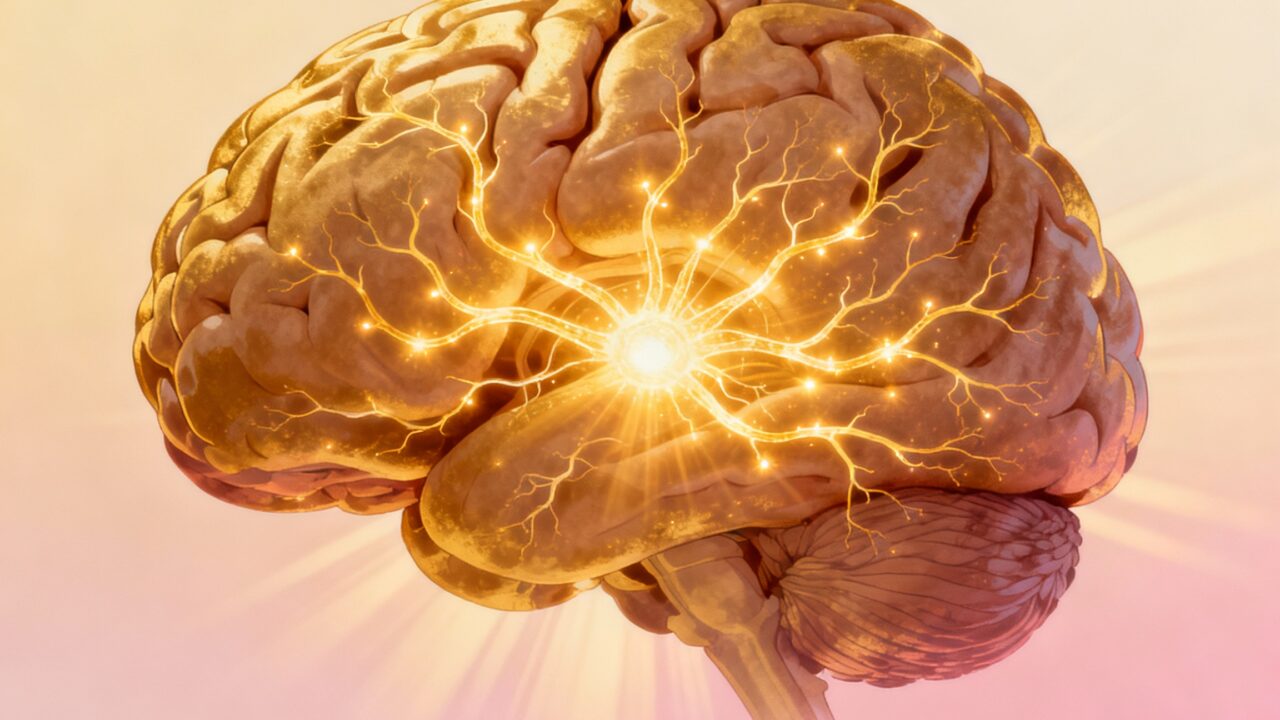
In today’s fast-paced world of constant comparison and digital distraction, anxiety and depression have reached unprecedented levels. But what if the solution to our mental health crisis is simpler than we think? Science reveals that gratitude—the simple act of being thankful—can fundamentally transform how our brains work, improve our mental health, and enhance our overall well-being.
How Gratitude Changes Your Brain
When you express gratitude, something remarkable happens in your brain. Research shows that gratitude activates specific neural pathways and triggers the release of powerful neurotransmitters that directly impact your mood and mental state.
The Brain’s Reward System: Gratitude activates your brain’s reward system, releasing dopamine and serotonin—the “feel-good” chemicals that create happiness and contentment. This creates a positive feedback loop: the more grateful you feel, the more your brain wants to repeat the experience.
Stress Reduction: Gratitude helps regulate cortisol, your body’s primary stress hormone. When you focus on what you’re thankful for, your brain switches from stress mode to relaxation mode, lowering anxiety levels and promoting calmness.
Neural Rewiring: Regular gratitude practice strengthens neural pathways associated with positive thinking through neuroplasticity. Brain scans reveal that gratitude increases activity in the prefrontal cortex, the area responsible for decision-making and emotional regulation, while reducing activity in the amygdala, which processes fear and stress.
The Mental Health Benefits
Scientific research consistently demonstrates that gratitude offers profound mental health advantages:
Reduces Depression and Anxiety: A comprehensive meta-analysis of 70 studies involving over 26,000 participants found a significant correlation between gratitude and lower depression levels (r = -0.39), indicating that individuals with higher gratitude experience substantially less depression. People who regularly practice gratitude show measurable decreases in anxiety symptoms and negative thought patterns.
Improves Sleep Quality: Gratitude reduces pre-sleep worry and increases positive thoughts before bed, leading to better sleep quality and duration.
Enhances Emotional Resilience: Studies show that individuals who practice gratitude journaling during challenging periods demonstrate a 25% improvement in psychological resilience compared to those who don’t. Regular practice helps people handle stress and adversity more effectively.
Boosts Overall Happiness: Regular gratitude practice is associated with greater life satisfaction, optimism, and the ability to achieve personal goals.
The Physical Health Connection
The benefits of gratitude extend beyond mental wellness to tangible physical health improvements:
- Lower blood pressure and reduced inflammation
- Stronger immune system function
- Fewer aches and pains
- Increased energy levels
- Better cardiovascular health
People with high gratitude scores report engaging in healthier behaviors like regular exercise and balanced diets, creating a comprehensive wellness effect.
Simple Daily Gratitude Practices
The beauty of gratitude is that it doesn’t require complicated techniques or expensive programs. Here are evidence-based practices you can start today:
1. Gratitude Journaling
Write down 3-5 things you’re grateful for each day. Be specific—instead of “I’m thankful for my friends,” try “I’m grateful that Sarah listened to me vent about work yesterday”. The physical act of writing strengthens the neural connections.
2. Evening Reflection
Before bed, mentally recount what you’re grateful for from the day. This simple practice can reduce stress hormones by up to 23% within six weeks and improve sleep quality.
3. Gratitude Meditation
Spend 5-10 minutes sitting quietly, focusing on feelings of appreciation. Imagine a warm light in your chest representing gratitude, spreading throughout your body. This activates the parasympathetic nervous system, promoting rest and recovery.
4. Express Appreciation
Tell someone you appreciate them. Expressing gratitude to others strengthens social bonds, increases trust, and enhances the gratitude effect for both parties.
5. Subtraction Practice
Imagine your life without certain people, opportunities, or experiences. This helps you appreciate what you have instead of taking it for granted.
Making Gratitude a Daily Habit
Consistency matters more than perfection. Even five minutes daily creates measurable benefits. Here’s how to build a sustainable practice:
- Set a daily reminder at the same time each day
- Choose a format that works for you—notebook, phone app, or digital document
- Create a special space with a candle or comfortable corner
- Be specific and go for depth over breadth
- Focus on people when possible for maximum mood boost
- Acknowledge the unexpected pleasant surprises
The Bottom Line
Gratitude isn’t just good manners—it’s good neuroscience. Research from universities worldwide confirms that practicing thankfulness rewires your brain, reducing stress, anxiety, and depression while enhancing happiness, resilience, and physical health.
The practice doesn’t require you to ignore life’s struggles or fake positivity. Instead, it trains your brain to notice both the challenges and the blessings, creating a more balanced perspective. Over time, gratitude becomes not just something you do, but a mindset that transforms how you experience life.
You don’t need a holiday to be thankful. Start today by noticing the sun, the breath in your lungs, or a kind word from a friend. Your brain—and your quality of life—will thank you.